Journal
Our customers choose our products because they rely on the highest levels of reliability, high energy efficiency and long-term cost-effectiveness. Our solutions and products optimise processes, guarantee the highest laserwelding quality, reduce operating costs and ensure maximum operational safety.
For our customer – or our customer’s end customer, this means stable process conditions, consistent and high product quality, and consequently a sustained improvement in plant efficiency. In this way, we create measurable added value across the entire value chain, ensuring that our customer – or our customer’s end customer – benefits from maximum selling prices for their manufactured products on the market, thereby safeguarding their market position and operating results.
Journal
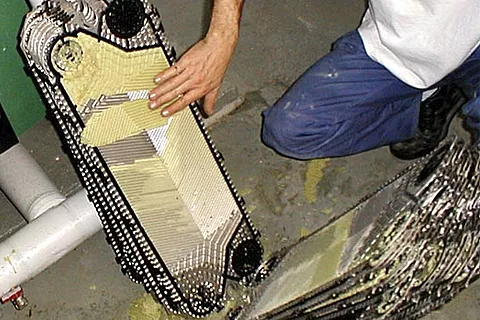
Ice Water Cooling Below 2°C: Where Plate Heat Exchangers Reach Their Limits
Below 2°C, plate heat exchangers need costly anti-freeze controls and risk ice-related failure. The BUCOdelot falling film chiller matches their thermal performance at lower total cost and complexity, making it the better choice for dairy, bakery, seafood, and pharma applications.
Journal
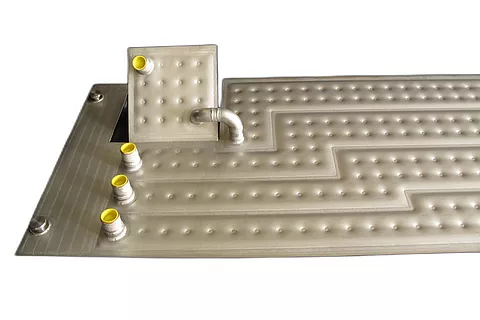
Pillow Plate Heat Transfer: Design, Configurations, and Industrial Applications
Pillow plates cool, heat, and transfer heat in food, pharmaceutical, and chemical processing plants. An overview of design parameters, configurations, and applications.
Journal
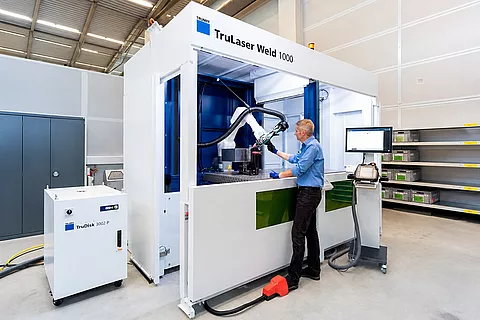
Comparative Analysis of Modern Laser Welding Systems
Laser welding systems from Trumpf deliver superior weld quality, process stability, and reliability through advanced beam control, integrated sensors, and AI-based quality assurance, making them the preferred choice for high-precision and safety-critical industries.
Applications
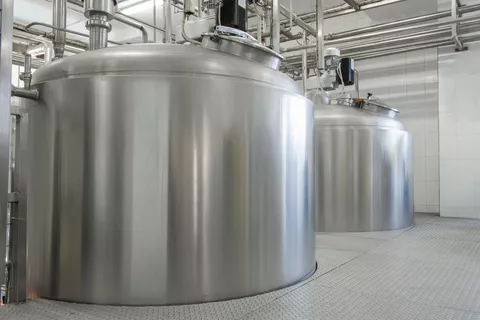
Ice Water Cooling in Dairy Plants
Use of our efficient BUCO ice water systems in dairy plants
Journal
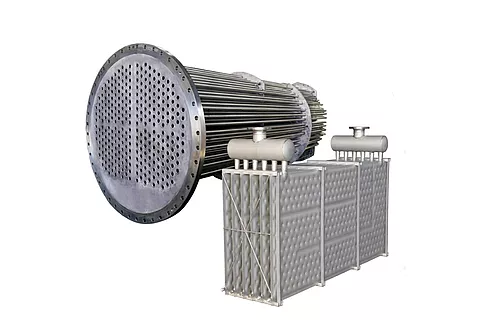
Pillow-Plate Heat Exchangers versus Shell-and-Tube Heat Exchangers
Pillow-plate heat exchangers outperform shell-and-tube systems thermodynamically, offering 25–30% higher heat transfer efficiency, up to 70% less required surface area, lower pressure drop, and reduced fouling due to their turbulence-enhancing design.
Journal
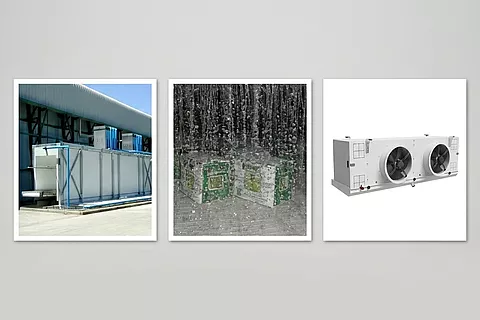
Air Cooling in Cold Rooms versus Direct Ice-Water Cooling
Direct ice-water cooling (hydrocooling), in contrast, provides 15–25 times faster cooling, significantly better heat transfer, improved product quality, and lower energy consumption, making it economically superior despite higher initial investment and in particular with higher throughput rates, typival payback periods drop well under two years instead of several years.
Applications
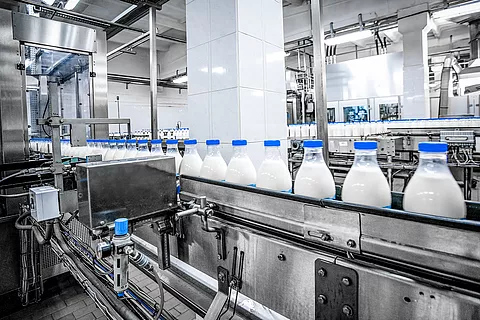
Ice-water cooling versus Cold-water cooling
Ice water cooling at 0.5 °C chills raw milk up to 50% faster, reduces bacterial counts by 20–30%, and consumes around 17% less energy despite reaching a lower final temperature than conventional cold water systems at 2 °C.

Applications
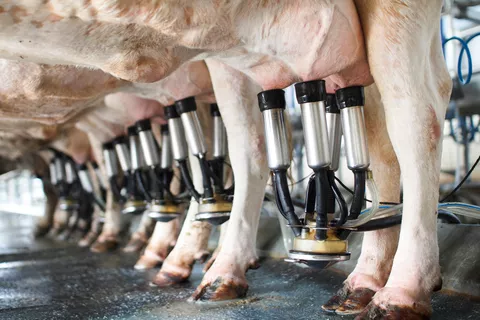
Milk Cooling on Farms
Fast and efficient milk cooling on farms by using ice water from our BUCO ice bank systems or BUCO Falling Film Chillers.

Applications
Dough Cooling in Industrial Bakeries
Ice water for dough preparation with BUCO Falling Film Chillers in industrial bakeries

Applications
Fruit and Vegetable Cooling Solutions
BUCO Falling Film Chiller in use for effective hydro-cooling of fruit and vegetables

Applications
High-Efficiency Fish Cooling
Ice quality and economic efficiency of our BUCO crushed ice confirmed in test series of a fish processing company
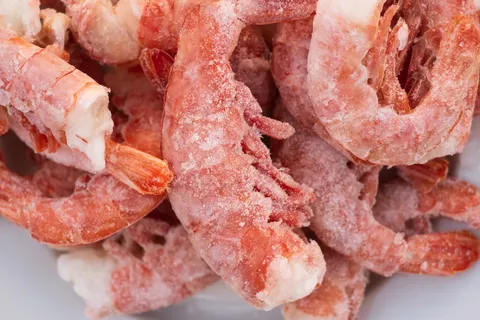
Applications
Seafood Cooling Solutions
BUCO Falling Film Chiller in use for cooling seafood (shrimps) and BUCO Heat Exchange Plates for heating

Applications
Seafood and Fish Processing Solutions
BUCO Falling Film Chiller in seafood and fish processing
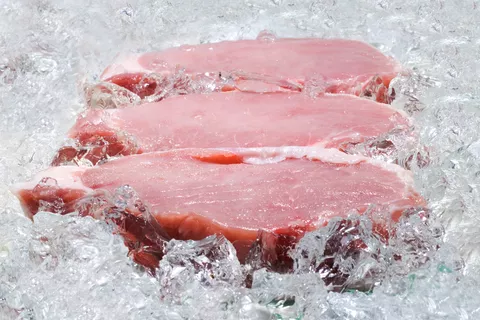
Applications
Energy-Efficient Cooling in Meat Processing
Use of BUCO crushed ice in the meat processing industry

Applications
Industrial Pasta Cooling Solutions
BUCO Falling Film Chiller in use for cooling cooked pasta products
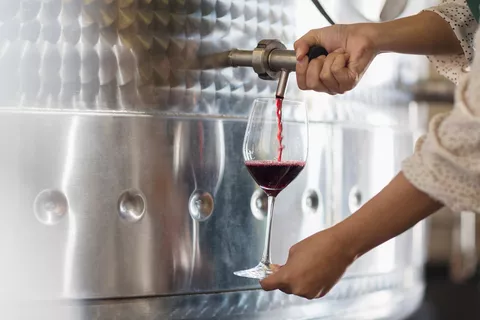
Applications
Precision Wine Cooling and Controlled Fermentation
Controlled fermentation in wine production by BUCO heat exchanger plates
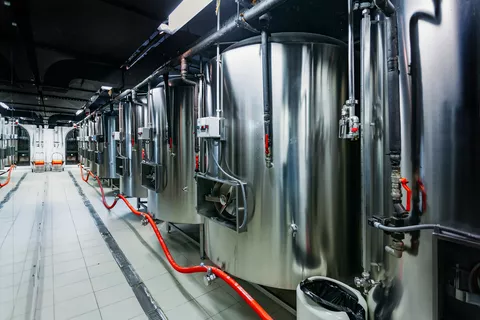
Applications
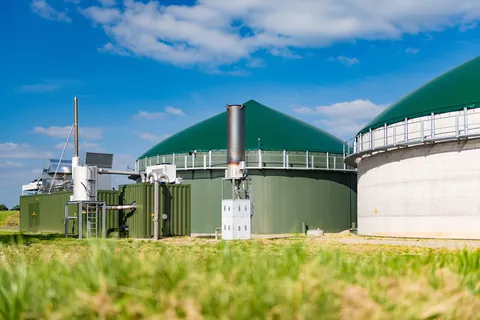
High-Efficiency Biomass Heating Solutions
BUCO heat exchange plates for fermenter heating directly in the biomass as a use of regenerative energies

Applications
Heat Recovery Solutions for the Paper Industry
Heat recovery in the paper industry with customised BUCO heat exchange systems

Applications
Heat Recovery from Laundry Wastewater
BUCO falling film chiller for heat recovery from laundry wastewater

Applications
Heat Recovery from Shower Wastewater
Heat recovery from shower wastewater with the aid of a BUCO falling film chiller
Applications
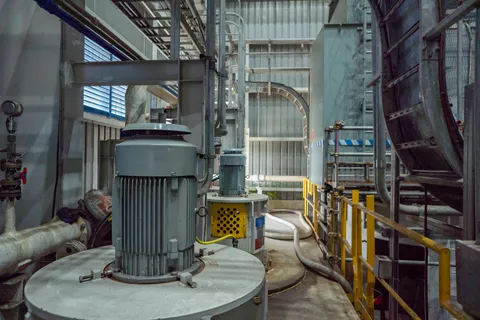
Alternative Energy Utilization with Industrial Heat Pumps
BUCO Falling Film Chiller in use as evaporator of a central heat pump system as project of existing heat recovery from the process

Applications
Energy-Efficient Cooling Solutions for Chemical Pigment Manufacturing
Use of BUCO crushed ice from our ice machines in pigment production in the aniline application case
Applications
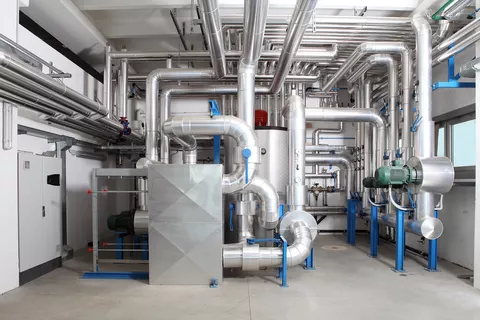
Industrial Ice Bank Systems Combined with Heat Pumps
An energy efficiency saving for the industry with sustainability

Applications
Industrial Ice Storage and Photovoltaics
The key to energy saving by thermal energy storage

Applications
Industrial Ice Storage and Direct Cooling
An energy efficiency saving for the industry with sustainability
We have always assimilated engineering science and thermodynamics optimally in the various manufacturing processes.
Thermodynamicists,mechanical engineers and welding engineers define the dimensioning, design and construction of customised heat exchanger panels and systems in materials ranging from mild and austenitic steels through to titanium, and ensure successful distribution of their work worldwide.
In doing so they fall back on production engineering expertise and calculations developed in the course of the past hundred years that are still being continuously optimised in an ongoing process.
In the perception of our customers, the Buco product stands for:
Technical and process-oriented consulting
Thermodynamic efficiency
Quality and longevity


